Recent data breaches in cloud-based AI services have significantly highlighted the importance of security for on-device AI, which processes data directly on smartphones. Users are becoming increasingly aware of how their sensitive information is protected.
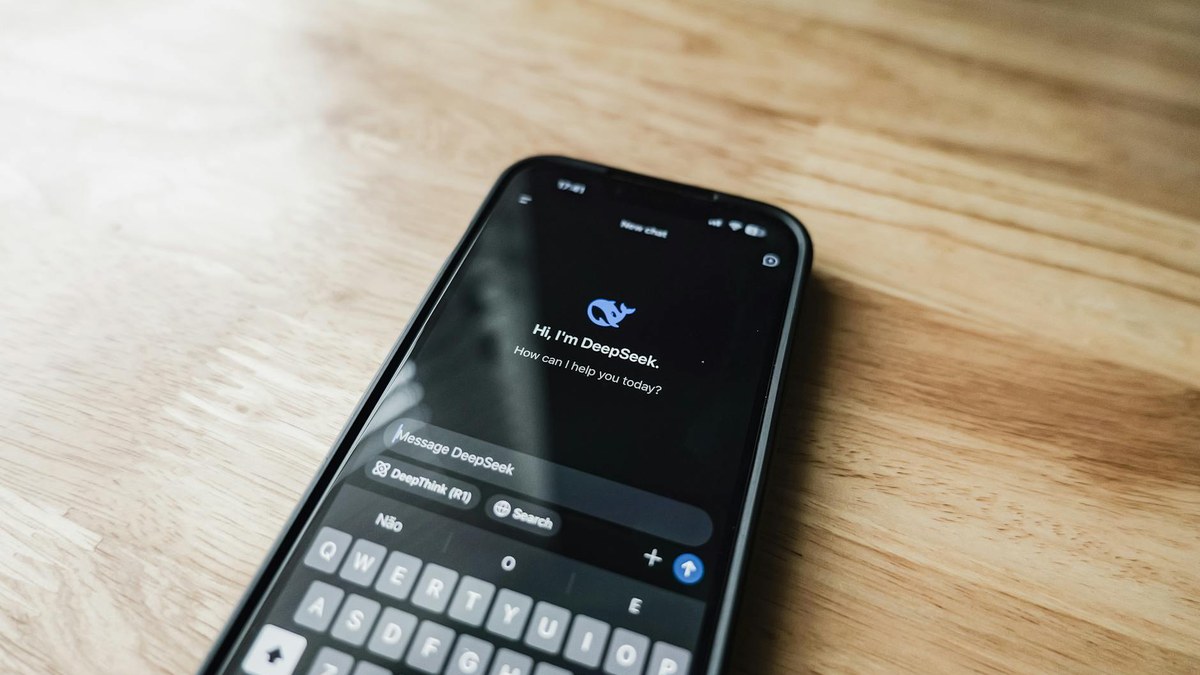
On-Device AI: A New Horizon for Privacy Protection
On-device AI refers to technology that processes user data directly within the device, without sending it to external servers. This offers several distinct advantages compared to cloud-based AI services.
Differences Between Cloud AI and On-Device AI
Since on-device AI processes data internally, it reduces communication latency, enhances offline usability, and fundamentally minimizes the risk of sensitive information leakage. For example, Samsung's Galaxy AI supports features like real-time translation and summarization directly on the device, strengthening data privacy. User voice commands or text inputs are processed using the device's own computational power.
Key Use Cases for On-Device AI in 2026
As of the first half of 2026, on-device AI is making smartphone experiences more personalized and efficient. Features like real-time object recognition and editing in smartphone cameras, personalized responses from voice assistants, and advanced text auto-completion and correction are becoming more sophisticated. Apple's iOS 17.x and Google's Android 15 operating systems are enhancing support for these on-device AI capabilities, improving user experience.

The On-Device AI Era: New Challenges for Privacy Protection
With all data stored and processed on the device, smartphone security itself has become more critical than ever. This brings new forms of security threats and challenges.
Risks of On-Device Data Storage and Processing
While on-device AI reduces data leakage pathways, it can expose users to greater risks if the smartphone's security is compromised. There's an increasing potential for malware or apps abusing permissions to access sensitive data on the device. According to a security report from the second half of 2025, mobile malware has shown a steady annual increase of over 30%. Data used or learned by on-device AI models can contain comprehensive information about a user's daily life, making it a potential target for attacks.
App Permission Requests and Data Access Control
To function smoothly, on-device AI features require apps to request access to more device resources, such as cameras, microphones, location data, and storage. If users don't properly understand and manage app permission requests, there's a risk of unintentional personal information exposure or misuse. For instance, a photo editing AI app continuously accessing a user's location data might be unnecessary.
2026 Trends in Smartphone Privacy Protection Laws
As societal demand for privacy protection grows, smartphone privacy is being strengthened at the operating system, hardware, and policy levels.
Enhanced Privacy Protection at the Operating System (OS) Level
Major OS developers are continuously updating privacy features for the on-device AI environment. Apple plans to further tighten control over apps' access to sensitive data by expanding its 'Privacy Sandbox' feature in the upcoming iOS 18 update. Google is actively considering mandating the application of data anonymization techniques for on-device AI model training in Android 16 (tentative name) and is emphasizing the principle of data minimization for developers.
Increased Role of Hardware Security Chips
Smartphone hardware security features have also been enhanced for the on-device AI era. The security chips (e.g., Secure Element) integrated into Samsung Electronics' latest Exynos 3000 series APs have strengthened their role in processing and protecting sensitive data for on-device AI computations in a secure, isolated environment. Apple's Secure Enclave, embedded in the A17 Bionic chip, follows this security enhancement trend and plays a crucial role in managing encryption keys and processing sensitive information.
New Guidelines from Government and Industry
In January 2026, the Korea Internet & Security Agency (KISA) released 'On-Device AI Privacy Protection Guidelines,' recommending companies to enhance anonymization of data used for AI model training, strengthen access controls, and provide transparent information. These government guidelines directly influence smartphone manufacturers and mobile app developers in revising their privacy policies and setting technological development directions. For example, as of April 2026, numerous mobile app developers have strengthened user data collection consent procedures and are clearly disclosing data processing methods when using on-device AI features.
User-Driven On-Device AI Security Practices
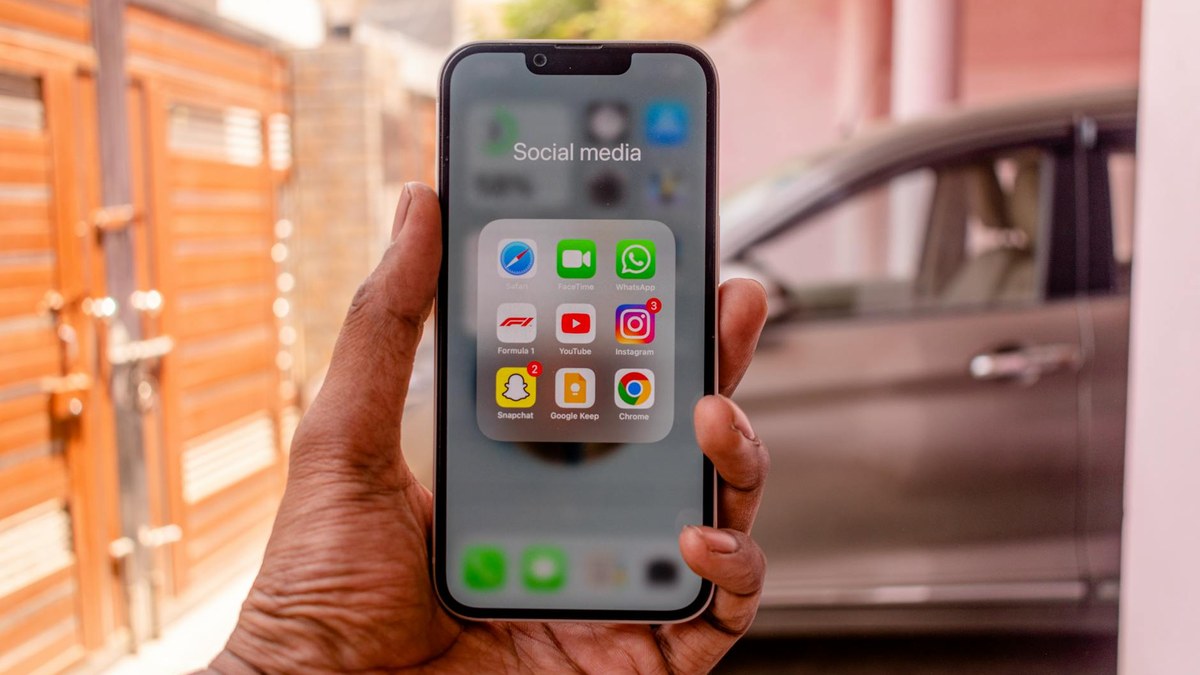
User efforts to protect their own privacy are as important as new technologies and strengthened regulations. Here are practical steps to keep personal information safe in the on-device AI environment.
App Permission Management and Optimization
Regularly review the permissions requested by each app in your smartphone settings. It's advisable to disable permissions not essential for AI functionality (e.g., location access for a voice assistant app) or set them to 'Allow only while using the app.' Granting unnecessary permissions increases the risk of personal information exposure.
Maintain Operating System (OS) and Security Updates
Check for and immediately install the latest OS and security updates provided by your manufacturer. These updates include patches for the latest security vulnerabilities and enhancements to privacy features. As of April 2026, Apple and Google provide regular updates to strengthen user device security.
Selective Use of AI Features Involving Sensitive Information
When using on-device AI features, be aware of what information is being processed and use them only when necessary. For example, when using an AI feature to summarize sensitive conversations, understand how that data is managed, and it's advisable to turn off the feature or adjust its usage frequency as needed.
On-device AI enhances privacy protection while presenting new security challenges. It is crucial to understand the latest technological trends and privacy laws, and for users to actively participate in security management.