The explosive growth of data and the need for real-time processing are driving fundamental changes in IT infrastructure. Transporting and processing data from billions of devices to a centralized cloud presents limitations in terms of latency, bandwidth, and cost. Against this background, in 2026, edge computing is rapidly emerging as the next-generation IT paradigm and is attracting attention as a key technology for real-time data processing and artificial intelligence (AI) performance improvement.
Edge computing is a technology that instantly processes and analyzes data at the physical location where the data is generated, that is, at the 'edge'. This offers the benefits of speeding up data processing, reducing network load, and enhancing privacy and security. In particular, the development of 'edge AI', where AI calculations are performed on the edge device itself, is further expanding the possibilities of edge computing.
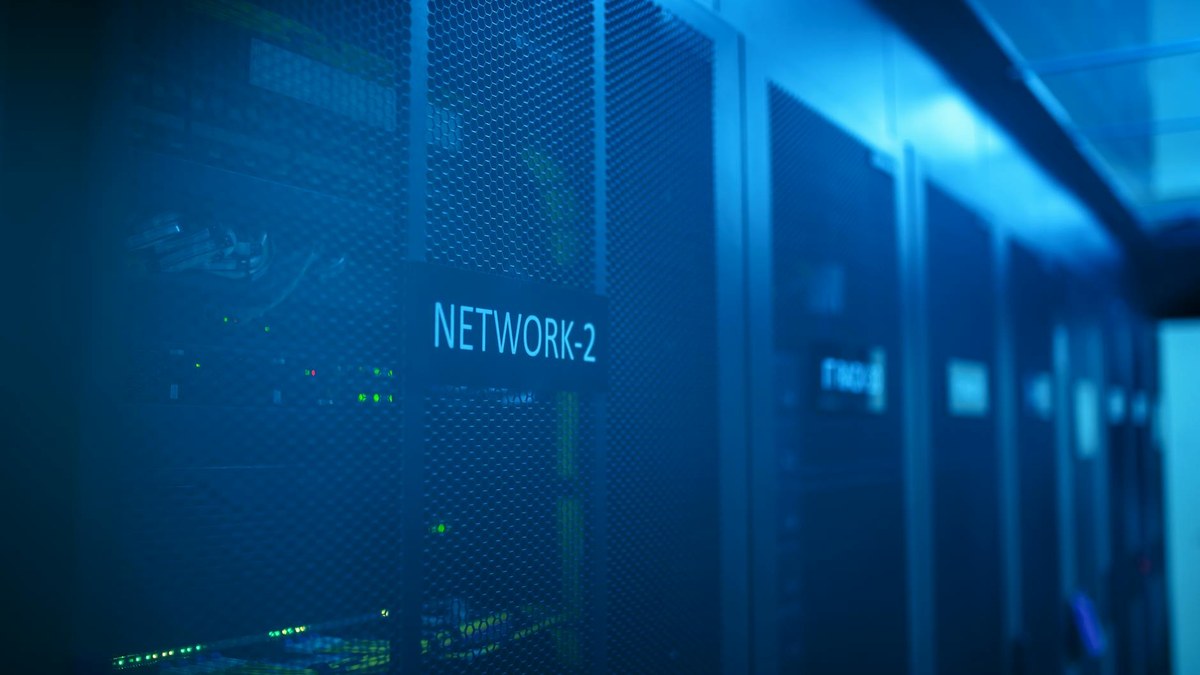
In 2026, edge computing will change the data processing paradigm
Edge computing, which processes data right where it is generated, has emerged to solve the fundamental problems of the existing cloud-centric computing model.
Real-time processing capabilities that go beyond the limits of the cloud
Real-time data processingis no longer an option but a necessity. There are an increasing number of fields that require fast response speeds of several milliseconds (ms), such as instantaneous judgment in self-driving cars, detection of facility abnormalities in smart factories, and patient condition monitoring in medical settings. Edge computing meets these real-time requirements by reducing the latency from hundreds of milliseconds that occurs in the process of sending data to a central server to a few milliseconds. This meansArtificial Intelligence (AI)Enables immediate decision-making based on
According to recent market analysis, the global edge computing market is expected to exceed $300 billion from 2022 to 2026, recording a high average annual growth rate of approximately 27%. This growth isReduce bandwidth costsclassReduce network dependencyThis is thanks to the practical benefits of: Instead of having to transmit all data to the cloud, you can save enormous communication costs by selecting and processing only the data you need at the edge.
Enhanced data privacy and security
Sensitive personal information or confidential corporate data runs the risk of being exposed to security threats while being transmitted to the central server. Edge computing addresses this by processing data locally.Minimize risk of data leakagedo. Especially when dealing with highly regulated data such as personally identifiable information and medical records, processing at the edgeGDPR, CCPAThis is advantageous for complying with various data protection regulations.
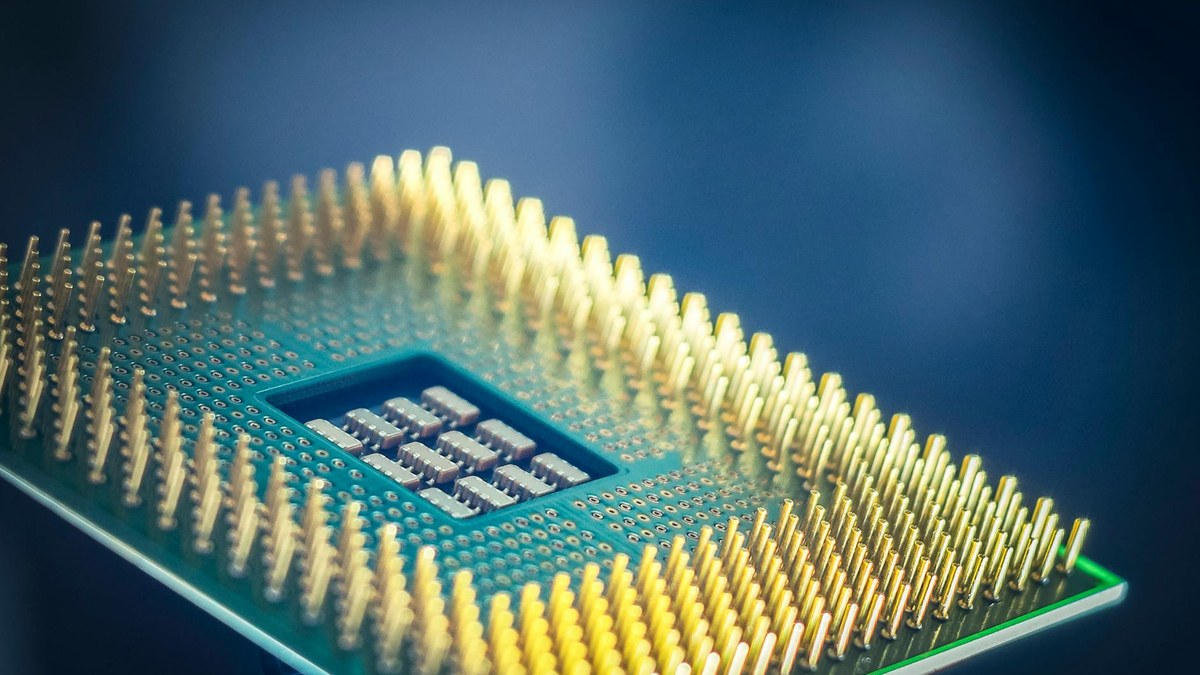
Edge AI: The evolution of artificial intelligence, a new standard for speed and efficiency
The most powerful synergy of edge computing appears in its combination with artificial intelligence.Edge AImeans running AI models on the edge device itself rather than in the cloud, which is revolutionizing the scope of AI applications.
Supports immediate decision-making with real-time inference
‘Inference’, the process by which an AI model performs a specific task, requires large-scale computation. Cloud-based inference is less real-time due to network delays, but edge AI processes data locally,Increase AI inference speed by up to 10xYou can do it. This maximizes the value of AI in areas where immediate response is essential, such as an autonomous vehicle instantly recognizing obstacles on the road or a smart factory detecting minute defects on the production line in real time.
AI model optimizationAdvances in and lightweight technologies are key drivers for realizing edge AI.TinyMLTechnologies such as enable AI models to run efficiently even on edge devices with limited computing resources. Thanks to these technologies, it has become possible to implement AI functions in a variety of edge devices such as smartphones, wearable devices, and industrial sensors.
Advances in AI model optimization and lightweight technology
Complex AI model training and inference, which in the past was only possible on high-performance servers, is now optimized for edge environments.Quantization,PruningBy reducing the size of the AI model and minimizing the amount of computation through techniques such as , AI functions can be performed smoothly even on low-power, low-spec edge devices. This is paving the way for AI to be applied to a wider range of applications.
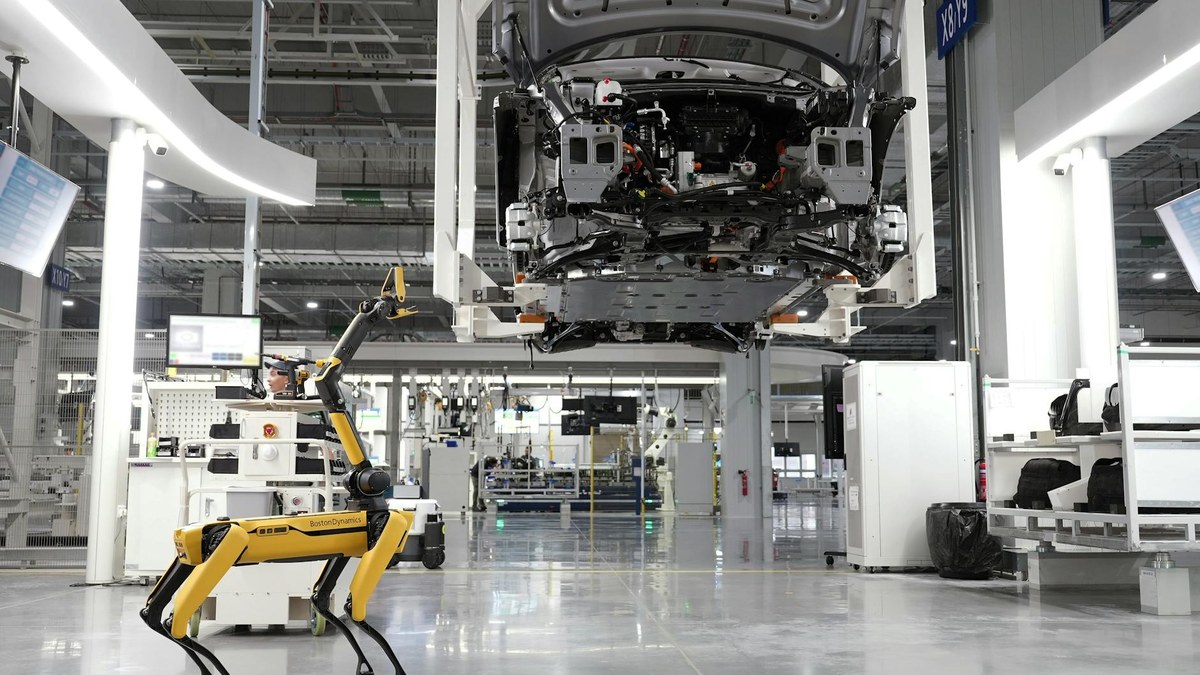
Edge computing adoption cases and solution recommendations by industry
Edge computing and edge AI are spreading and producing practical results in various industries.
Smart Factory: Transforming Predictive Maintenance and Quality Control
At the manufacturing sitePredictive MaintenanceandReal-time quality controlTo this end, we are actively introducing edge computing. Edge devices immediately analyze data such as vibration, temperature, and pressure collected from numerous sensors attached to equipment to predict and prevent equipment failure in advance. In actual adoption cases, this edge AI-based predictive maintenanceReduce production line downtime by more than 15%do,Reduce defect rate by more than 10%I got the result.
Smart Factory SolutionIndustrial IoT gateways, edge AI servers, and real-time data analysis platforms are used. These solutions help prevent collisions by monitoring the movements of robot arms in real time, or instantly find even the smallest defects by analyzing product images on the production line.
Smart Retail: Personalize experiences and streamline inventory management
In the distribution industryDeliver personalized customer experiencesclassStreamline inventory managementWe are utilizing edge computing for this purpose. By analyzing customer movements and product attention in real time through in-store cameras and sensors, we can immediately provide customized promotions tailored to customer interests. In addition, real-time inventory tracking using edge AI isReduce sales opportunity loss due to out of stock by 12%, plays an important role in increasing customer satisfaction.
Smart Retail SolutionsThese include edge video analytics, smart cameras, and edge AI analysis software, which are used to analyze customer behavior, manage congestion in stores, and build unmanned payment systems. These technologies provide customers with a more convenient and personalized shopping experience and maximize operational efficiency.
In 2026, edge computing is no longer a future technology, but is becoming a core infrastructure that determines a company's competitiveness. Increased real-time data processing capabilities and optimized AI performance will increase efficiency and create new opportunities across businesses. Predict the changes that edge computing will bring to your business environment right now,Required data processing latencyclassHow sensitive data is handledPlease check. We hope to secure future competitiveness by introducing edge AI solutions.